In a decision that reinforces the International Criminal Court’s (ICC) ongoing probe into the Gaza conflict, judges in The Hague on Monday rejected an appeal by Israel designed to block the war crimes investigation related to the nearly two-year war in Gaza.
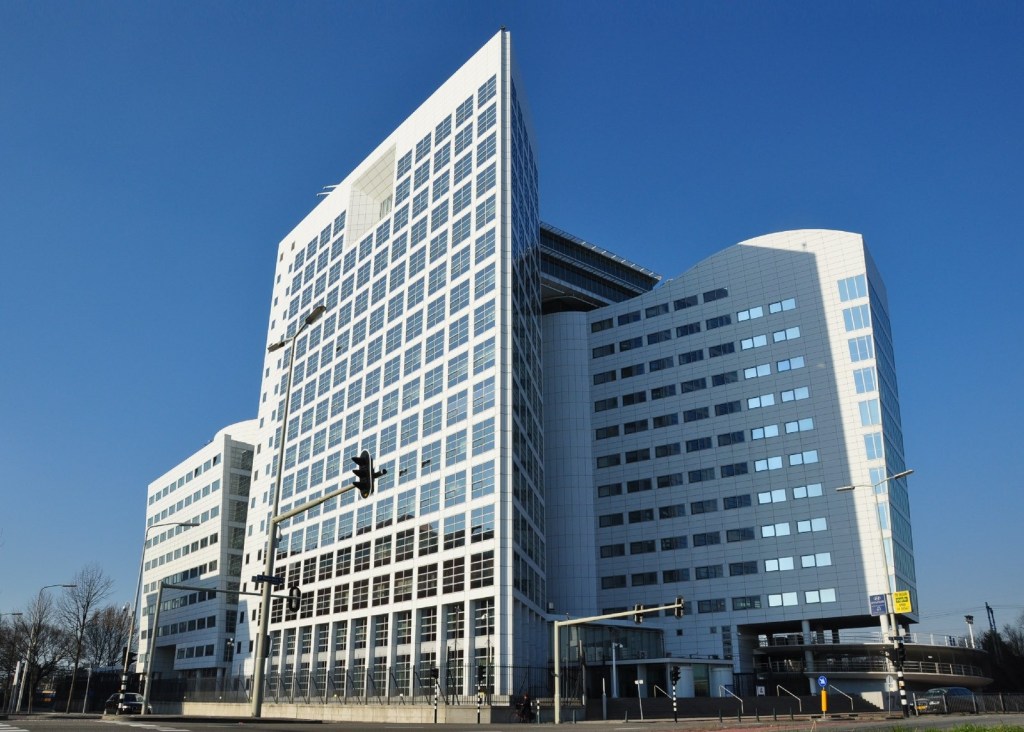
The ruling means that arrest warrants issued in 2024 for Israeli leaders, including Prime Minister Benjamin Netanyahu and former defense chief Yoav Gallant, remain in force. The appeals chamber upheld the lower court’s determination that the ICC has jurisdiction over events following Hamas’s October 7, 2023 attack, a decision staunchly contested by Israel.
Al Jazeera reporting on the decision highlights that Israel’s bid to halt the investigation was effectively dismissed, confirming that the ICC can continue examining alleged war crimes committed during the Gaza conflict; an investigation that has been fiercely opposed by the Israeli government.
This development comes amid a growing body of international responses that reflect deep concern over the conduct of the conflict and the humanitarian catastrophe in Gaza. United Nations bodies have been actively engaged in documenting the broader context of the war and its impact on Palestinian civilians.
A major 2024 report from the Committee on the Exercise of the Inalienable Rights of the Palestinian People, submitted to the UN General Assembly, describes a prolonged period of Israeli military operations that resulted in what it characterizes as “grave breaches of international law” and a humanitarian catastrophe marked by widespread destruction, starvation, and displacement in Gaza and the West Bank.
The report situates these developments within decades of occupation and blockade, underscoring how this latest conflict has intensified long-standing injustices affecting Palestinian communities.
Earlier, in November 2024, UN News documented a significant step in international judicial action when the ICC issued those initial arrest warrants against Netanyahu, Gallant and commanders of Hamas for alleged war crimes and crimes against humanity tied to the Gaza war.
Coverage of that 2024 event noted that the court’s motion reflected deep concerns about unlawful conduct on all sides and marked an unprecedented legal intervention amid one of the deadliest chapters in the conflict.
Beyond courts of law, another U.N. mechanism has issued some of the strongest accusations yet regarding the nature of Israel’s military campaign in Gaza. In September 2025 a team of independent experts commissioned by the U.N. Human Rights Council concluded that Israel’s actions in Gaza amounted to genocide, asserting that four of the five “genocidal acts” defined by the 1948 Convention on the Prevention and Punishment of the Crime of Genocide had been committed.
The experts, including former U.N. rights chief Navi Pillay, said this conclusion was based on painstaking legal analysis of both actions and intent, and called on the international community to end what they described as a genocidal campaign and take steps to hold those responsible accountable. Israel rejected the findings as “distorted and false,” and key allies like the United States sharply criticized the report while framing it as politically motivated.
The combination of legal momentum at the ICC and intensifying documentation by U.N. mechanisms reflects both a push for accountability and the immense challenges of achieving it amid entrenched geopolitical fault lines. Israel continues to reject the ICC’s authority, asserting that its military actions were legally justified self-defense against Hamas.
Western allies, including the United States, have publicly criticized elements of the ICC’s approach, framing the court’s actions as misguided or politically charged. Meanwhile, human rights advocates and some U.N. bodies argue that independent judicial scrutiny is essential to uphold international law and accountability.
The ongoing legal proceedings have exposed sharp divisions among global powers and reflect both a push for accountability and the immense challenges of achieving it amid entrenched geopolitical fault lines.
The court’s decisions do not directly halt fighting, and they do not immediately translate into arrests. But they do mark a continuation of international efforts to address alleged violations of humanitarian law even as diplomatic attempts to secure a permanent ceasefire and political resolution remain elusive.
 JJ Hastings
Leave a comment