Hello, my friends. Buckle in because this week, I’m tackling some ugly stuff in here, and I know it may require some folks to step into being uncomfortable and self-reflect, so I’m glad you’re here.
In this week’s edition:
🔹️Toxic Positivity Is Emotional Gaslighting
🔹️DEIB Could Have Fixed This Ish
🔹️Crying in Meetings, and Other Power Moves
ONE | Toxic Positivity Is Emotional Gaslighting
INT. OFFICE – NIGHT
The fluorescent lights hum faintly overhead, flickering like they’ve grown tired of pretending. A layer of dust veils the forgotten break room. On the far table, a tray of once-bright birthday cupcakes sits fossilized; pink frosting collapsed in on itself, sprinkles dulled to gray. Spiderwebs stretch from frosting to file cabinet.
The camera pans down a corridor of glass-walled offices—each desk abandoned, chairs askew like the occupants fled mid-meeting. A faded HR flyer clings desperately to a corkboard, its edges curling in the draft from a broken vent.
A printout flaps limply beside it: “LAYOFF NOTICE – ROUND 3” stamped in red. Below it, pinned with cheerful pushpins, a banner droops:
“We’re All In This Together!”
One end has already fallen. The rest slouches under the weight of its lie.
Down the hall, a Slack notification ping echoes from a still-glowing monitor.
Subject: 😊 Weekly Positivity Pulse Check-In! 😊
Somewhere, a printer begins to whir. There’s no one left to read the message it shoots out:
GOOD…..
VIBES…..
ONLY…..
SCENE
Alright, alright. That was pretty dramatic, I know. But I wanted to get you primed for what we’re tackling this week: Toxic Positivity, for many of us, a horror movie of its own.
I’m going to come right out and say it: “Good Vibes Only” is a threat.
In too many modern workplaces, emotional honesty is treated like a contagion. Express burnout, grief, or justified anger, and you’ll be met with a smile and a warning: “Let’s stay positive!”
But that “positivity” isn’t neutral: it’s a control tactic. It demands that workers filter every response through the lens of politeness and compliance. When cheerfulness is enforced, it stops being uplifting and becomes oppressive. It gaslights people into believing their suffering is a personal failing instead of a structural issue.
Toxic positivity thrives in HR statements, corporate Slack channels, and those team-building workshops no one asked for. Do you know what it’s like to be the only fat girl in the human knot? I do–seven times!
It’s branded as culture. It’s rewarded in performance reviews. And it’s often weaponized against people already marginalized in the workplace.
I can hear the Positivity people sharpening up their pitch forks outside as I dare to write these words, but let’s be really truthful with each other for a moment.
In the last decade, we have experienced domestic terrorism, global terrorism, mass protest, mass layoffs, simultaneous acts of war and genocide, a pandemic, economic roller-coasters, unhinged elections, housing crisis, rampant rise in conspiracy theorists, the “manosphere”, $18 McDonald’s combo meals, and a new era of civic action.
We have experienced those things at home, in our social institutions, and inside of our workplaces alongside coworkers with shared and radically different viewpoints than our own.
In order to make work “comfortable” and “focused” for everyone, workplaces often will either put out blanket “no talking about this at work” policies, or encourage “sharing” about one’s feelings in a controlled environment, such as a structured all-staff lunch meeting. But that sharing, usually, MUST come attached to a positive and uplifting call to action. The old “yes, I cut my arm off in this wood cutter, but isn’t my other arm just so beautiful 🥹 uwu” special.
They may initially encourage or make space for employees directly being impacted by these issues to share and seek support from their peers, to contain the potential for controversy. Inevitably, these same spaces are often eventually shut down for becoming too “controversial”. Especially when those spaces allow employees to see that the outrageous way they may be being treated is actually how EVERYONE from their demographic is being treated.
Or they are challenged by colleagues who don’t believe in that group’s right to exist in the first place. In the age of “Anti-Woke” fever, these spaces are increasingly under attack.
And beyond “wokeness”, there are the millions of inexplicably small and enormous struggles that human beings have to navigate while also being a “Worker”: death, chronic illness, abuse, divorce, addiction, mental illness, miscarriage, loss, displacement, legal struggles, money problems.
All experiences that require human connection and care and merciful understanding from others while trying to make the scale rebalance. All experiences that can “make other people uncomfortable”, and that being vulnerable about can result in rude DMs from supervisors more concerned about office politics than their supervisees being in crisis.
And this denial of space, or for room to express one’s experience, or feel safe and supported by their peers and organization is usually delivered with a forced smile, attached to some cliche phrase just absolutely gushing with toxic positivity.
Some all time worst offenders and why they’re awful:
🔹️“Just stay positive!”: Implies the other person should suppress or ignore their pain instead of processing it.

🔹️“Everything happens for a reason.”: Dismisses the randomness and unfairness of trauma, pressuring someone to find a silver lining prematurely.
🔹️“It could be worse.”: Invalidates the person’s current feelings by comparing and ranking their suffering.
🔹️“At least you’re alive.”: In times of war and violence, incredibly tone deaf to the reality that another may be mourning the death of loved ones, community, etc. This also triggers intense Survivors Guilt.
🔹️“Don’t dwell on the negative.”: Suggests that feeling hurt or upset is a choice or a failure to “move on.”
🔹️“You just need to look on the bright side.”: Forces optimism before someone is ready, often silencing authentic emotion
🔹️“Others have it worse than you.”: Guilt-trips someone for their pain instead of validating it.
🔹️“Smile! It’ll get better.”: Forces a performative cheerfulness that can feel deeply alienating, and only serves to make YOU more comfortable in the presence of someone else’s pain.
You may have used some of these all time bangers in the past, and had the most pure and kind of intentions. But please just really pause for a moment to consider being on the receiving end of these platitudes, on a company wide scale, while processing through legitimate periods of terror and loss tied to one’s lived identity.
For example, imagine being of Palestinian descent and working within a company or organization that takes a strong internal stance on shutting down any references to Gaza, or a vocally anti-Palestinian stance.
Or being a Ukrainian employee at a US based company that has informed their staff that they cannot acknowledge or mention what they’re going through to colleagues, regarding the war in Ukraine.
Or being a transgender employee at a company that refuses to evaluate any of their policies or procedures that are inherently, and usually unnecessarily, gender specific because that company is afraid of the conversation getting “heated”, resulting in your inability to use the bathroom for 8 hours a day, or participate in company retreats.
When someone says, “Everything happens for a reason” to a colleague who’s been targeted, passed over, or worn down, they’re not comforting them. It is reductive and harmful to prioritize silencing another person’s suffering to ensure the comfort of a protected majority.
When they say, “That’s inappropriate” to a colleague who shares that they are critically ill, or experiencing caregiver fatigue, or on week three not knowing if their family back home is dead or alive, they’re not creating safety, they’re being selfish in a moment that commands courage.
They’re telling them to stop making waves. To be silent. To show up and perform without making others feel uncomfortable. To put on the mask and suffer alone because your suffering isn’t real or important enough for their approval.
Performative optimism tells us our pain is inconvenient. That’s not support. That’s erasure. And worse, when we minimize someone’s lived experience and then tell them it’s inappropriate to be upset about it, that is gaslighting.
TWO | DEIB Could Have Fixed This Ish
“WELL, JJ, PEOPLE CAN’T JUST BE TALKING ABOUT CONTROVERSIAL THINGS AT WORK BECAUSE PEOPLE HAVE DIFFERENT BELIEFS!”
Hey, first of all–calm down. Why are you yelling at me in my own newsletter?
Secondly, when you create a culture of genuine belonging, acceptance, and respect around people’s full selves in the workplace, you also work to build a long term culture that normalizes being able to share conflicting opinions without requiring an AEW wrestling referee.
Excellent practitioners of DEI and associated fields navigate these conversations with diverse groups of people every single day, as part of their expertise. But companies hire DEI experts and then squish them into performative positions and Lunch N Learn hosts, instead of letting them create real opportunities for employee discovery and development.
Nobody wants to go to your dry and dusty “heritage month”, “history month” and “pride” events when you actively have policies and practices that punish employees from those communities. Why would folks volunteer to get an ERG going at a company if it has a history of using people’s demographic disclosures to limit their opportunities for advancement? Hellloooo. Am I the crazy one?
Maybe if companies stopped firing their DEI teams out of political appeasement, and allowed them to do the actual strategic change management process of creating equity and justice, they wouldn’t be wondering why conversations have grown increasingly more hostile. But that’s none of my business, anymore.
THREE | Crying in Meetings, and Other Power Moves
So enough, for now, about how we make space for other people’s experiences, let’s talk about how we make space for our own.
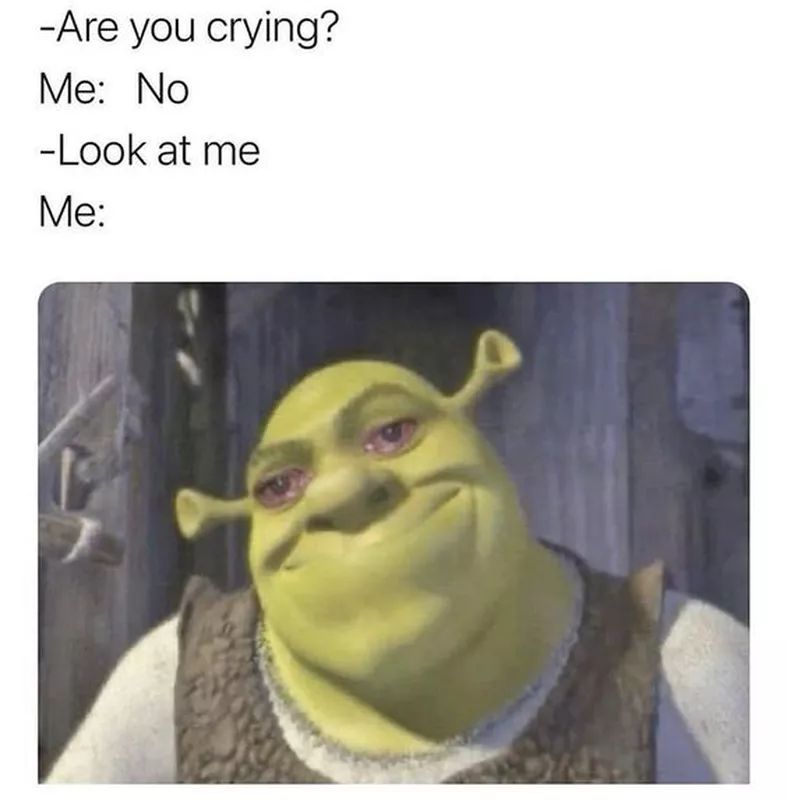
There’s a moment in advocacy, education, journalism, or nonprofit work when the script falls away. When the policy memo, the training, the latest data, the advocacy drives, the action items, pulled funding, or the facilitation of conversations where human rights are weighed against ROI…all collapse under the weight of what’s actually happening.
Sometimes that moment cracks you open.
You can no longer stop the flow of tears, or the frustrated desk punch, or the terror in your voice as you try to continue marching forward. You can no longer continue expressing yourself with the emotional output of a piece of cardboard.
That’s not failure; that’s friction with the truth.
In spaces where the harm is real—racism, transphobia, exploitation, trafficking, fascism, erasure—it is not only appropriate to feel deeply, it is a mark of integrity.
There’s a specific kind of heartbreak that comes from working in institutions that say all the right things and do none of them; that prioritize bending over backwards to look good, but refuse to do any of the good work to change.
When you realize you are stuck in a system that rewards self-tokenization and performative kowtowing over truth, crying in that moment isn’t a breakdown:it’s a protest. It is your body saying, “I refuse to make peace with this.”
When you let the work move you, to tears, to silence, to trembling, you’re not losing control. You’re embodying the realities too many are paid to ignore. When you refuse to turn away from violence, racism, hatred, and keep your voice turned down for the comfort of those who make a comfortable income by being warmly complicit with the enemies of our safety, you take back control for everyone who has been brutalized by that system.
You are acknowledging the very real life and death nature of your work, and the weight of the lives who will not be saved in time. You’re revolting against the deranged and damaged systems that dictate how we work and who we are able to help.
In a world that favours sanitized and prepackaged activism, your emotions are a disruption of business as usual; a way of saying this is not okay, even when others would rather move on.
When your work is in any space where the stakes are human lives, staying numb isn’t noble–it’s dangerous. We do nothing to ensure radical and powerful human change in those around us if we continue to sit idly by while institutions of power dismantle our humanity, and put an algorithmic social credit system on our voices.
As human beings, we must metabolize grief, rage, and love at once. It’s the price of giving a damn in a system built to grind people down.
There is power in letting that emotion show. It signals to everyone in the room: this work is real. It matters. I’m not turning away from the pain of it.
That’s not a weakness. That’s courage that bleeds.
–
I hope you are able to spend some time this week reflecting on these messages. If they resonate, positively or negatively, as always, please feel free to comment below. Let’s take care of each other out there.
xx JJ
 JJ Hastings
Leave a comment